12460 Crabapple Rd #103, Alpharetta, GA 30004

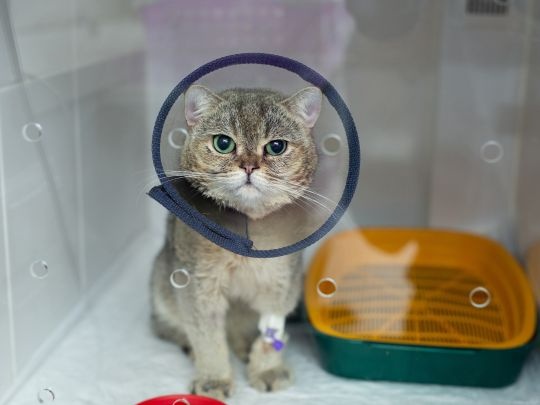
Anesthesia allows veterinarians to perform many surgical procedures while keeping pets still, comfortable, and free from pain. However, safe anesthesia involves much more than administering medication and waiting for a pet to wake up. It requires careful preparation, individualized planning, continuous monitoring, and attentive recovery.
For pet owners searching for a trusted vet near you, understanding how anesthesia is monitored can make the surgical process easier to understand. During pet surgery, veterinary professionals monitor several important body functions and adjust the anesthetic plan when needed. These steps help support your pet’s safety and comfort throughout the procedure.
Why Is Anesthesia Important During Veterinary Surgery?
Anesthesia is commonly used during veterinary surgery because it allows a pet to remain unconscious and relaxed while a procedure is performed. It also helps prevent movement and reduces the sensation of pain during surgery.
Before anesthesia begins, the veterinary team evaluates the pet’s overall health and considers factors such as age, breed, medical history, current medications, and the type of procedure planned. AAHA guidelines describe anesthesia as a continuum of care that includes preparation, induction, maintenance, and recovery rather than simply the time a pet is unconscious.
How Is a Pet Evaluated Before Anesthesia?
Anesthesia monitoring begins before the surgical procedure. A veterinarian performs a physical examination to assess the pet’s current condition and identify factors that could affect anesthesia.
Depending on the pet and procedure, recommended laboratory testing may provide additional information about organ function and other health considerations. This information helps the veterinarian develop an individualized anesthetic plan.
The Alpharetta veterinary team at Milton Animal Hospital explains that its surgical preparation includes a pre-anesthetic evaluation, physical examination, and recommended laboratory work before surgery.
This preparation is important because every pet can respond differently to anesthetic medications.
What Does the Veterinary Team Monitor During Surgery?
Once anesthesia has been administered, monitoring continues throughout the procedure. A trained veterinary professional watches the pet closely while electronic equipment provides measurements of important physiological functions.
Heart Rate and Rhythm
Heart rate provides important information about how a pet is responding to anesthesia and surgery. Heart rhythm may also be monitored using an electrocardiogram, or ECG, when appropriate.
Changes in heart rate or rhythm can provide an early indication that the anesthetic plan or other supportive care may need adjustment. AAHA guidance recommends combining electronic monitoring with hands-on assessment by the anesthetist.
Blood Pressure
Blood pressure is another important measurement during anesthesia. Monitoring helps the veterinary team identify changes in circulation and determine whether adjustments or supportive measures are needed.
Blood pressure is evaluated alongside other measurements rather than being considered on its own. This gives the veterinarian a more complete picture of the pet’s cardiovascular status.
Oxygen Levels and Breathing
Respiratory monitoring helps the veterinary team evaluate how well a pet is breathing and receiving oxygen during anesthesia. Pulse oximetry can measure blood oxygen saturation, while other monitoring methods can provide information about ventilation.
AAHA anesthesia guidelines identify respiratory rate, oxygenation, and ventilation as key areas of respiratory monitoring during anesthesia.
An endotracheal tube may also be used during general anesthesia to help deliver oxygen and anesthetic gas while protecting the airway.
Body Temperature
Anesthetic medications can affect a pet’s ability to maintain normal body temperature. For this reason, temperature is monitored during surgery, and warming support may be provided when appropriate.
Maintaining an appropriate body temperature is particularly important during longer procedures and during recovery. AAHA guidance recommends continued attention to temperature and physiologic support throughout the anesthetic period.
How Is Anesthetic Depth Monitored?
Veterinary professionals also monitor how deeply a pet is anesthetized. The goal is to provide an appropriate level of anesthesia for the procedure without giving more medication than necessary.
The veterinary team considers multiple indicators, including physical responses and vital signs, rather than relying on a single measurement. Anesthetic depth can be adjusted as the procedure progresses based on the pet’s response and the surgical requirements.
This individualized approach is one reason anesthetic protocols are developed according to each patient’s health, age, breed, and procedure.
Why Does a Trained Veterinary Professional Stay With the Pet?
Monitoring equipment provides valuable information, but it does not replace direct observation by a trained veterinary professional. A technician can watch the pet, assess physical changes, track monitoring data, and communicate important changes to the veterinarian.
During pet surgery, this combination of technology and hands-on observation provides a more complete approach to anesthesia monitoring. Milton Animal Hospital’s surgery page notes that a trained technician remains with the pet during surgery and that advanced equipment is used to monitor heart rate, blood pressure, oxygen levels, and body temperature.
What Happens After Surgery?
Anesthesia monitoring does not stop when the surgical procedure ends. Recovery is another important part of anesthesia care.
After surgery, the veterinary team continues observing the pet as the effects of anesthesia wear off. Vital signs, alertness, breathing, temperature, and comfort can all be assessed during recovery.
AAHA guidelines recommend close observation until patients are appropriately alert, maintaining normal body temperature, and able to move as expected for their condition.
Pain management is also an important part of recovery. Depending on the procedure and individual patient, pain control may include local anesthetics, injectable medications, or other targeted treatments.
What Should Pet Owners Ask About Anesthesia?
If your pet is scheduled for veterinary surgery, it is reasonable to ask your veterinarian how anesthesia will be managed. Useful questions include:
- Will my pet receive a pre-anesthetic physical examination?
- Is laboratory testing recommended before surgery?
- Which vital signs will be monitored?
- Who will monitor my pet during the procedure?
- How will my pet’s pain be managed?
- How will my pet be monitored during recovery?
Having these conversations can help you understand the surgical plan and know what to expect before, during, and after the procedure.
Choosing a Veterinarian for Pet Surgery in Alpharetta
Safe anesthesia is an important part of quality surgical care. A thorough pre-anesthetic evaluation, individualized medication plan, continuous monitoring, trained staff, and careful recovery monitoring all contribute to a structured approach to pet surgery.
If you are looking for an experienced veterinarian in Alpharetta for a pet that may need surgery, Milton Animal Hospital provides surgical care ranging from routine procedures to soft tissue and selected orthopedic surgeries. The hospital’s surgical team uses individualized anesthesia protocols, modern monitoring equipment, and multi-stage pain management to support patient comfort and recovery.
Schedule an appointment with our animal hospital to discuss your pet’s surgical needs and learn more about the anesthesia and monitoring process.
Frequently Asked Questions
1. Is anesthesia monitored throughout pet surgery?
Ans: Yes. Anesthesia monitoring continues throughout the procedure. Veterinary teams may monitor heart rate and rhythm, blood pressure, oxygen levels, breathing, body temperature, and anesthetic depth.
2. Does my pet need a pre-anesthetic examination?
Ans: A pre-anesthetic physical examination is an important part of preparing a pet for anesthesia. Depending on the patient’s health and procedure, the veterinarian may also recommend laboratory testing or other assessments.
3. Why is blood pressure monitored during anesthesia?
Ans: Blood pressure provides information about circulation during anesthesia. Monitoring it alongside heart rate, oxygenation, and other vital signs helps the veterinary team identify changes and determine whether adjustments are needed.
4. How is my pet’s breathing monitored during anesthesia?
Ans: Veterinary teams may monitor respiratory rate, oxygen saturation, and ventilation. An endotracheal tube may also be used during general anesthesia to deliver oxygen and anesthetic gas and help protect the airway.
5. Is anesthesia monitoring necessary after surgery?
Ans: Yes. Recovery is an important part of anesthesia care. Pets continue to be observed as they become alert and regain normal physiological function following anesthesia.
6. Can the anesthesia plan be changed during surgery?
Ans: Yes. Anesthesia is monitored continuously, and the veterinary team can adjust the anesthetic depth or supportive care based on the pet’s vital signs, response, and surgical needs.
Related Articles