12460 Crabapple Rd #103, Alpharetta, GA 30004


A clean-looking smile does not always mean a pet has healthy teeth. Many dental problems develop beneath the gumline, where they cannot be identified through a routine visual examination alone. This is why dental radiographs are an important part of comprehensive pet dental care. X-rays allow a veterinarian to evaluate tooth roots, surrounding bone, and other structures that remain hidden during a standard oral exam.
For pet owners in Alpharetta, understanding the role of dental X-rays can make professional dental care easier to understand. A cleaning removes plaque and tartar from visible tooth surfaces, while radiographs help a veterinary team determine what is happening below the gumline. Together, these steps provide a more complete picture of a pet’s oral health.
Why Pet Dental Care Goes Beyond Cleaning
Professional dental cleaning is an important part of maintaining a pet’s oral health, but it is only one component of complete dental care. Plaque and tartar can accumulate along the gumline and contribute to inflammation and periodontal disease. As dental disease progresses, damage may develop around the roots of the teeth and within the jawbone.
The challenge is that much of this damage may not be visible when looking at the mouth. According to the American Veterinary Medical Association, dental radiographs may be needed to evaluate the health of tooth roots and the jaw below the gumline.
This is why pet dentistry should involve more than simply making the teeth look clean. A thorough dental evaluation considers both visible and hidden structures.
What Can Dental X-Rays Reveal?
Dental radiographs provide information that cannot be obtained from looking at the surface of the teeth alone. They can help a veterinarian assess the condition of tooth roots, supporting bone, and areas beneath the gumline.
X-rays may help identify:
- Bone loss associated with periodontal disease
- Problems affecting tooth roots
- Damaged or diseased teeth below the gumline
- Abnormal tooth development or positioning
- Tooth structures that appear normal on the surface but are unhealthy internally
- Changes that may influence whether a tooth can be preserved or requires further treatment
The AVMA notes that some stages of periodontal disease can involve bone loss that is visible on X-rays even when the changes are not obvious from the outside.
This makes dental radiography a valuable diagnostic tool rather than simply an optional addition to a cleaning.
Why a Tooth Can Look Healthy but Still Have a Problem
One of the biggest misconceptions about pet dental health is that visible appearance tells the entire story. A tooth may look relatively normal above the gumline while disease is developing underneath it.
Periodontal disease, for example, can affect the tissues supporting the teeth. As the condition progresses, inflammation and bone loss may occur around tooth roots. These changes cannot always be identified by examining the visible crown of the tooth.
A pet may also continue eating normally despite having oral disease. Animals can be very good at hiding signs of discomfort, so relying only on changes in eating habits or behavior may delay recognition of dental problems.
Dental X-rays allow a vet to look beyond what can be seen during a routine mouth examination and make more informed decisions about treatment.
What Happens During a Dental Procedure?
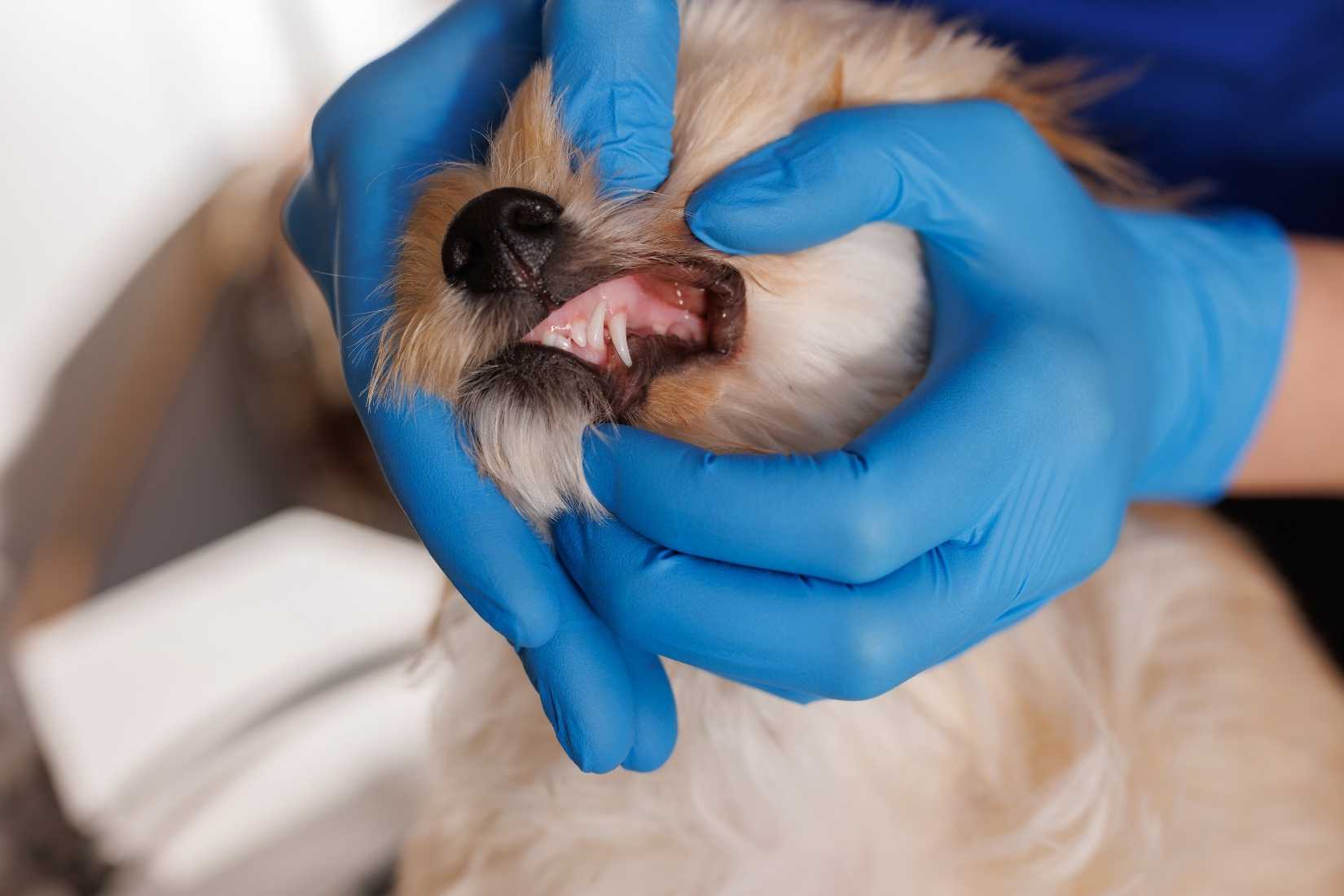
A professional dental procedure generally begins with an oral examination. The veterinary team evaluates the teeth, gums, and other visible structures before determining the appropriate dental care plan.
When dental radiographs are recommended, X-rays can provide a closer look at the tooth roots and supporting structures. Professional cleaning may then include scaling to remove plaque and tartar, followed by polishing to help smooth the tooth surfaces. If the evaluation identifies a tooth that is damaged or diseased, additional treatment may be recommended.
Milton Animal Hospital’s dentistry services include dental X-rays, professional cleaning, scaling, polishing, and extractions or oral surgery when necessary. The practice also notes that dental procedures are performed with careful anesthesia monitoring to support patient safety and comfort.
The combination of examination, imaging, cleaning, and appropriate treatment provides a more complete approach to pet dental care than cleaning alone.
How Often Should Pets Have Their Teeth Evaluated?
The right dental schedule depends on a pet’s age, breed, oral health, medical history, and individual risk factors. Some pets develop plaque, tartar, or periodontal disease more readily than others.
Routine veterinary examinations give a veterinarian an opportunity to monitor changes in the mouth over time. Professional dental evaluations can identify developing concerns before they become more advanced.
Pet owners should also watch for signs such as persistent bad breath, yellow or brown buildup, red or swollen gums, difficulty chewing, or pawing at the mouth. These are among the signs listed on Milton Animal Hospital’s dentistry page.
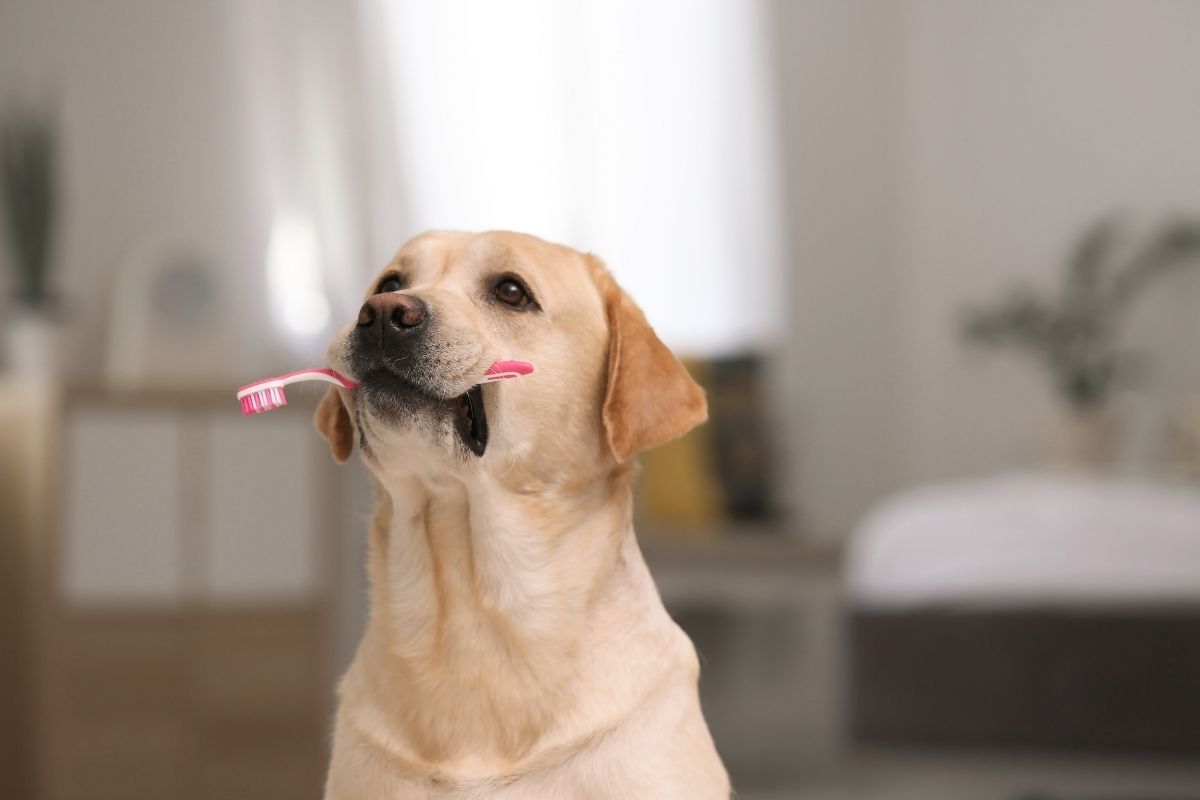
At home, regular tooth brushing can also help control plaque between professional dental visits. The AVMA identifies regular brushing as an important part of maintaining oral health, while noting that pet owners should discuss appropriate dental products and home-care routines with their veterinarian.
Dental Radiographs Support Better Pet Dentistry Decisions
The goal of pet dentistry is not simply to create cleaner-looking teeth. It is to understand the health of the entire mouth and address problems that may otherwise remain hidden.
Dental radiographs give veterinary teams information about structures below the gumline, helping them determine the condition of individual teeth and surrounding bone. This information can be especially valuable when deciding whether a tooth is healthy, needs additional treatment, or may not be suitable for preservation.
For pet owners, this means an X-ray can provide important information that a visual examination and cleaning alone cannot.
Supporting Your Pet’s Oral Health in Alpharetta
Good oral health requires attention both at home and through professional veterinary care. Brushing your pet’s teeth, using appropriate dental products, monitoring changes in the mouth, and maintaining routine dental evaluations can all contribute to healthier teeth and gums.
For families in Alpharetta, choosing a veterinary team that considers both visible and hidden aspects of oral health can make dental care more comprehensive. Radiographs are particularly valuable because they help reveal problems that may otherwise remain undetected.
At Milton Animal Hospital, the dental care approach includes oral examinations, professional cleanings, and dental X-rays to evaluate areas below the gumline. If you have questions about your pet’s dental health or whether radiographs may be appropriate, schedule an appointment with our animal hospital for a professional evaluation.
FAQs
1. Why are dental X-rays important for pets?
Ans: Dental X-rays allow a veterinary team to examine tooth roots, supporting bone, and structures below the gumline that cannot be fully evaluated during a visual examination.
2. Can a pet have dental disease even if the teeth look clean?
Ans: Yes. Some dental disease develops beneath the gumline, so a tooth can appear relatively healthy on the surface while problems are present around the roots or supporting bone.
3. Are dental radiographs part of pet dentistry?
Ans: Dental radiographs can be an important part of comprehensive pet dentistry. They provide additional information that helps a veterinarian evaluate the health of individual teeth and surrounding structures.
4. Does dental cleaning replace dental X-rays?
Ans: No. Cleaning removes plaque and tartar from the tooth surfaces, while X-rays help evaluate areas beneath the gumline. These procedures provide different types of information and can complement each other.
5. What signs could indicate that my pet needs a dental evaluation?
Ans: Bad breath, visible tartar, red or swollen gums, difficulty chewing, and pawing at the mouth can indicate a potential dental problem. A veterinary evaluation can help determine the cause.
6. Can I help maintain my pet’s dental health at home?
Ans: Yes. Regular tooth brushing with pet-safe toothpaste can help reduce plaque buildup. Dental products recommended by your veterinary team may also complement an at-home oral care routine.