12460 Crabapple Rd #103, Alpharetta, GA 30004

A yelp, a paw swipe at the face, and sudden swelling near the nose: this is often the first sign a pet was stung by a bee. Bee stings are common backyard mishaps, and most cause nothing more than brief discomfort within a short time. A small number of pets, though, have stronger reactions that need prompt attention. Knowing the difference between a mild sting and a reaction that needs immediate veterinary attention can save you a lot of worry, and in rare cases, can save your pet’s life. This guide walks through what a normal sting reaction looks like, which signs mean you should call your vet right away, and what actually happens during a follow-up visit. Whether your dog snapped at a bee mid-flight or your cat pounced on one in the grass, here is exactly what to watch for and do next.
What Happens When a Pet Is Stung by a Bee
Bees, wasps, and hornets are common pests that most pets encounter at some point. When a pet’s skin is punctured by a stinger, venom is injected underneath it, and the body responds with local irritation. In most cases, this shows up as mild puffiness, redness, and discomfort right at the site, usually on the face, paw, or muzzle where curious noses and paws tend to land first.
Swelling after bee sting incidents typically peaks within the first hour and then slowly fades over a day or two. Widely cited estimates suggest fewer than one in ten pets ever develop a stronger, whole body reaction to a sting. That smaller group is worth understanding, because the difference between an ordinary bump and a dangerous reaction is not always obvious in the first few minutes, especially with a nervous or wiggly pet.
Some pets paw at their face or rub against furniture right after being stung, which is a normal response to the sharp initial pain. Mild swelling after bee sting reactions can also come with a bit of warmth or tenderness at the site, which usually settles down on its own with a cool compress. Knowing what counts as a routine reaction helps you stay calm instead of panicking over normal puffiness, while still watching closely for signs that something more serious is happening underneath.
What Are the Warning Signs of an Allergic Reaction?
A pet showing facial swelling, hives, vomiting, or trouble breathing after a sting may be having an allergic reaction and needs veterinary care right away. These dog allergic reaction symptoms can appear within minutes to a few hours of the sting.
Watch closely for:
- Swelling that spreads beyond the sting site, especially around the face, throat, or eyes
- Hives or raised bumps scattered across the body, not just near the sting
- Vomiting, diarrhea, or heavy drooling shortly after the sting occurred
- Weakness, wobbliness, or sudden collapse
- Labored breathing, coughing, or pawing at the mouth and throat
Cats tend to show dog allergic reaction symptoms a little differently, often hiding, rubbing their face against the ground, or breathing rapidly rather than developing visible hives. In our experience, it is the reactions that spread quickly or reach the airway that call for immediate veterinary attention, not the ordinary bump that stays put and shrinks over a day.
What to Expect During Your Pet’s Visit
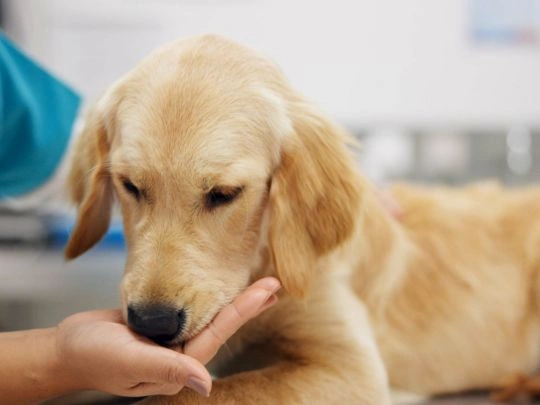
If your pet needs to be seen for a sting reaction, the appointment is usually quick and focused on comfort and safety. Here is what typically happens during a same day vet visit for this kind of concern.
- A team member checks your pet’s breathing, gum color, and heart rate right away to rule out a severe reaction.
- The vet examines the sting site and asks when the sting happened and what symptoms you noticed first.
- If swelling is mild, your pet may receive an antihistamine and possibly a short course of anti-inflammatory medication.
- For a stronger reaction, your pet may need extra support to help stabilize breathing and blood pressure.
- You will leave with clear instructions for monitoring your pet at home over the next day or two.
Pet owners often tell us they feel far calmer once they understand the plan, even when a same day vet visit turns out to be for a mild reaction. Most sting appointments wrap up within an hour, and pets typically head home the same day feeling noticeably more comfortable and back to their usual selves by evening.
Why Bee Stings Are More Common in Georgia During Warmer Months
In Georgia, stings become more frequent from late spring through early fall, when bees and wasps are most active outdoors. Yards, gardens, and wooded trails around Alpharetta all give a curious dog or cat plenty of chances to disturb a nest or chase a flying insect.
A common misconception is that any sting automatically calls for a vet urgent care Alpharetta visit. In reality, most stings can be safely monitored at home if your pet stays alert, keeps eating normally, and the swelling remains limited to one small area. The exception is any pet with a known history of allergic reactions, or one stung several times at once, since repeated venom exposure raises the risk of a stronger response.
If you are ever unsure whether a vet urgent care Alpharetta visit is warranted, it is always safer to call and describe the symptoms than to guess. Keeping pets on a leash near flowering plants and checking outdoor areas beforehand can also reduce the chances of a surprise encounter around Alpharetta, especially during peak bee season in the summer months.
Getting Fast Help for a Sting Reaction
If your pet shows any signs of a spreading or whole body reaction, do not wait to see if it improves on its own. Facial swelling, difficulty breathing, vomiting, or sudden weakness after a sting are all reasons to seek immediate veterinary attention without delay.
Our team at Milton Animal Hospital sees sting reactions regularly throughout the warmer months, and we understand how frightening it can be to watch your pet struggle. As a trusted pet urgent care option in the area, we make room for these visits quickly. If you are near Alpharetta and your pet has been stung, call us at (770) 526-2750 when your pet needs urgent care, and our staff will walk you through the next steps before you even arrive.
We frequently remind our clients that Milton Animal Hospital keeps appointment slots open for sting reactions and other urgent concerns, because getting ahead of swelling and discomfort makes a real difference in how quickly your pet recovers and settles back down at home.
A bee sting rarely calls for panic, but knowing how to tell a mild reaction from a serious one gives you confidence to respond the right way. Watch for spreading swelling, hives, vomiting, or breathing trouble, and keep a close eye on your pet for the first few hours after a sting. Most pets recover with simple comfort care at home, while a smaller number need prompt treatment from Milton Animal Hospital to stay safe. If you are unsure whether your pet was stung by a bee and needs to be seen, it is always better to call than to guess. Trust your instincts and reach out for guidance if something feels off. Book an appointment today.
Frequently Asked Questions
1: How long does bee sting swelling last in dogs?
Ans: Mild swelling usually peaks within the first hour and fades within one to two days. If swelling spreads or lasts longer than two days, have your pet checked by a vet.
2: Can a cat have an allergic reaction to a bee sting?
Ans: Yes, cats can react to stings just like dogs. Watch for facial swelling, hives, hiding, or rapid breathing, and seek care if any of these appear.
3: Is it safe to remove a bee stinger at home?
Ans: Yes, gently scraping the stinger out with a flat object like a credit card is safe. Avoid squeezing it with tweezers, since that can push more venom into the skin.
4: What can I give my dog for a bee sting at home?
Ans: A cool compress on the swollen area can ease mild discomfort. Never give human medications without guidance, since dosing and safety vary by pet.
5: How many bee stings can be dangerous for a dog?
Ans: A single sting is rarely dangerous for most pets, but multiple stings at once increase the risk of a stronger reaction. Any pet stung several times should be evaluated promptly.